Why Energy Centres are the Biggest Opportunity for Architects in 2026
For decades, energy infrastructure was something architects learned to hide. Boiler rooms lived in basements. Plant equipment got tucked behind screens. The goal was simple: make the mechanical disappear.
That era is over.
In 2026, energy centres are stepping out of the shadows and into the spotlight. As the UK accelerates towards net-zero targets, district heating networks and renewable energy hubs are becoming essential pieces of urban infrastructure. Rather than being buried out of sight, these facilities are now prominent features of our towns and cities.
From Functional Boxes to Urban Landmarks
The transformation is being driven by necessity and ambition in equal measure. The government's commitment to decarbonise heat networks by 2050 means thousands of new energy centres will need to be designed and built across the country. Universities, hospitals, residential developments, and entire neighbourhoods are all investing in centralised energy systems that reduce carbon emissions and improve efficiency.
This shift represents a significant growth sector for architectural practices. Where developers once viewed energy infrastructure as a purely engineering challenge, there is now recognition that these buildings must integrate thoughtfully into their surroundings. Communities expect more than functional sheds. They want structures that enhance the public realm, complement existing architecture, and demonstrate a commitment to quality design.
A Design Challenge Worth Taking
Energy centres present unique architectural challenges. They must accommodate complex mechanical systems whilst remaining visually engaging. They need robust, low-maintenance exteriors that can withstand industrial use. Many require acoustic treatments to minimise noise impact on neighbouring properties. Some serve multiple functions, incorporating community spaces or green infrastructure.
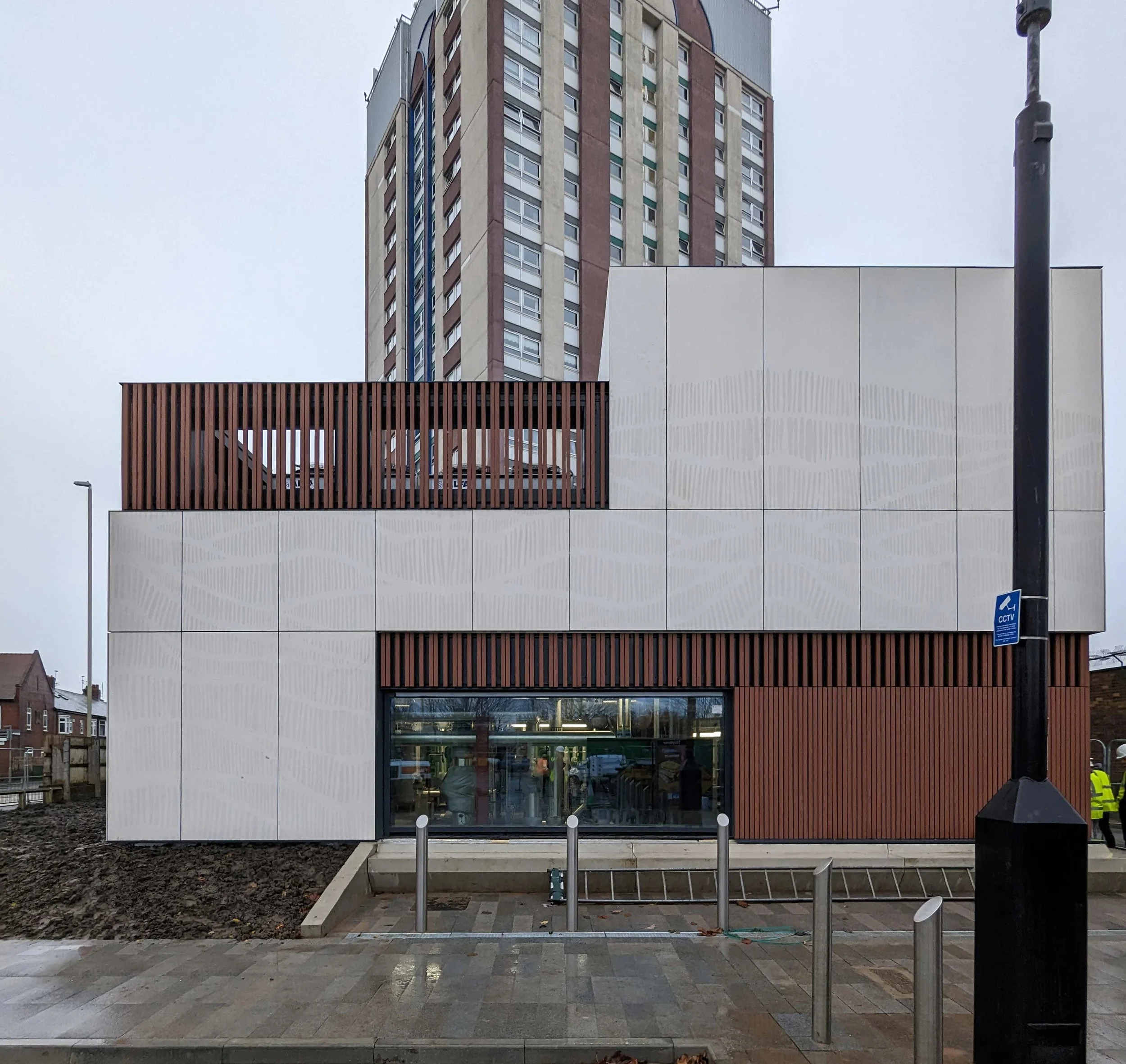
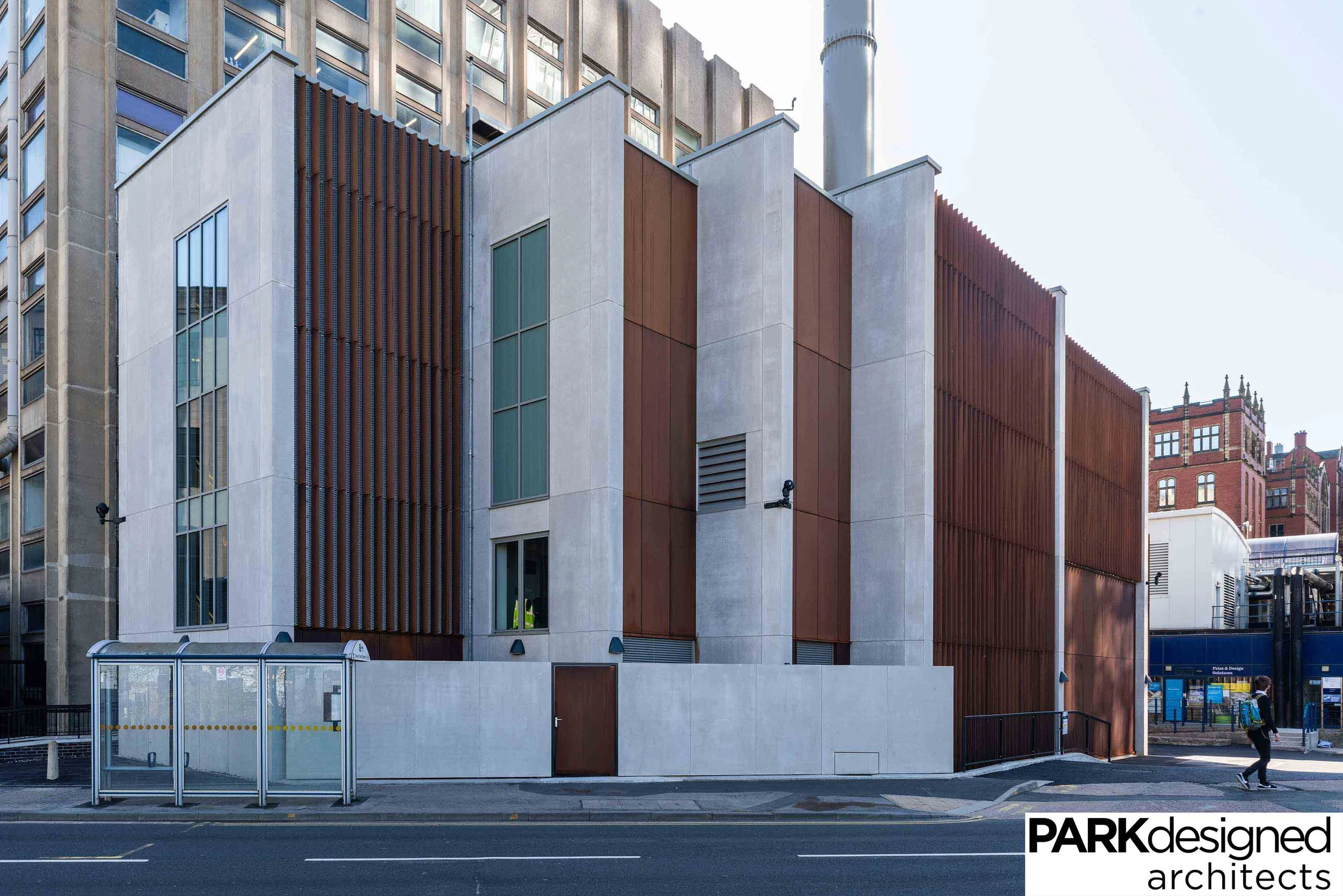
PARKdesigned Architects has embraced this challenge through projects like the Transformer at the University of Sheffield and the Hebburn Energy Centre. These commissions demonstrate that technical buildings need not be aesthetically compromised. Working alongside mechanical and electrical specialists such as Vital Energi, the practice has developed expertise in translating engineering requirements into coherent architectural form.
The Growth Opportunity
The numbers tell a compelling story. Government investment in heat networks continues to grow, with the Green Heat Network Fund providing substantial support for low-carbon district heating projects. Local authorities are increasingly incorporating district heating requirements into their planning policies. Major developers recognise that communal heating systems can deliver both sustainability credentials and long-term cost savings.
For architects, this creates sustained demand for specialist design services. Energy centres require planning applications, detailed design coordination, and careful stakeholder engagement. They sit at the intersection of architecture, engineering, sustainability, and community consultation, all areas where skilled practitioners add significant value.
Beyond the immediate project opportunities, energy centres offer architectural practices the chance to build expertise in a sector that will only become more important. As retrofit programmes gain momentum and existing heating systems reach end-of-life, the market for replacement and upgrade projects will expand considerably.
Designing for the Future
The transition to net-zero is reshaping how we think about energy in the built environment. Energy centres are no longer peripheral infrastructure: they are becoming civic buildings in their own right. This elevation demands architectural attention and creativity.
Practices that develop capabilities in this area position themselves for sustained work in a growing market. The challenge is not simply to house equipment efficiently, but to create buildings that communities can take pride in. Energy centres that achieve this balance become exemplars of how technical necessity and design quality can coexist.
As the built environment sector continues its decarbonisation journey, architects who understand both the engineering constraints and the design possibilities of energy infrastructure will find themselves increasingly in demand. The opportunity is substantial, and 2026 marks a pivotal moment in the sector's evolution.