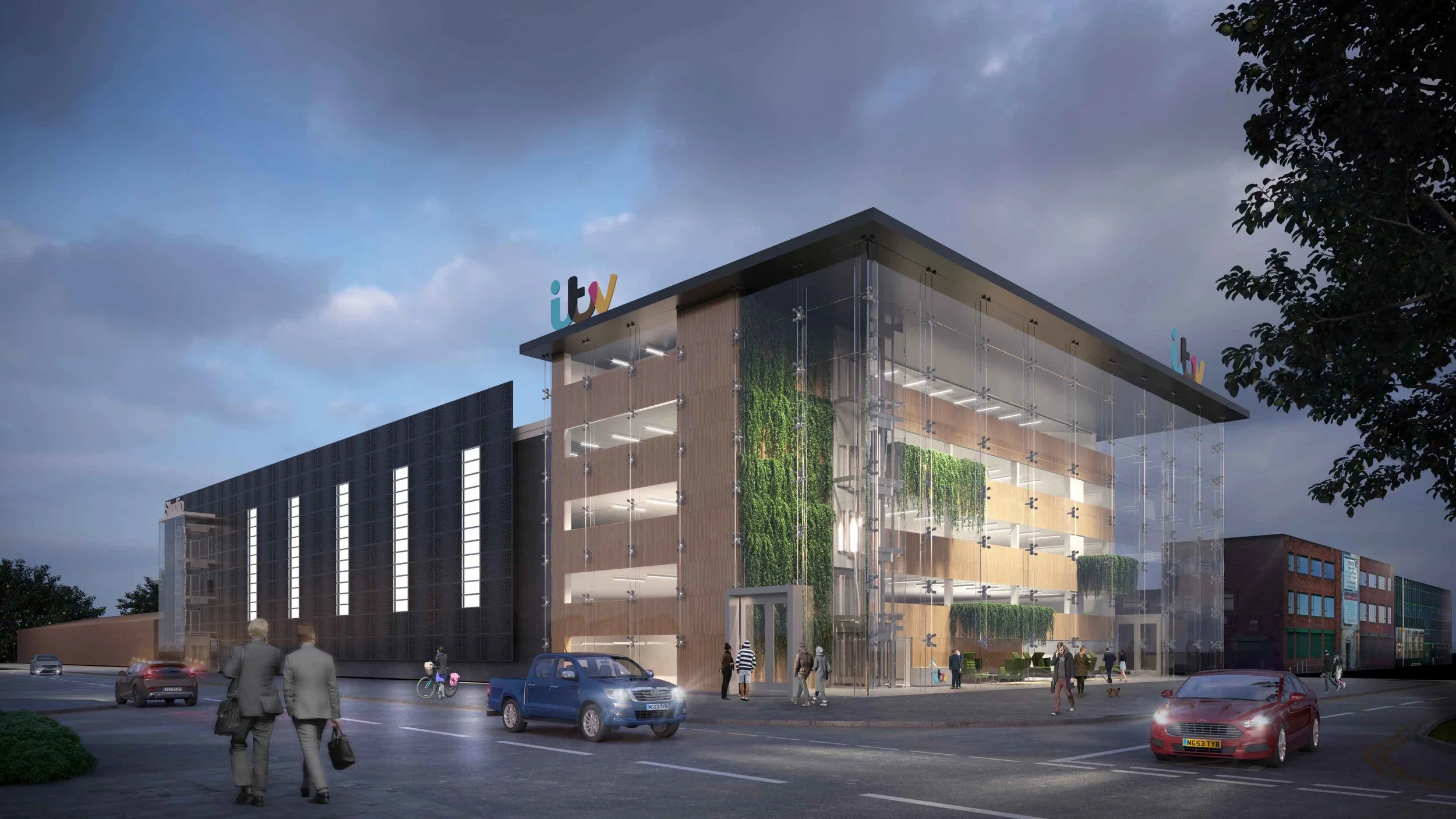
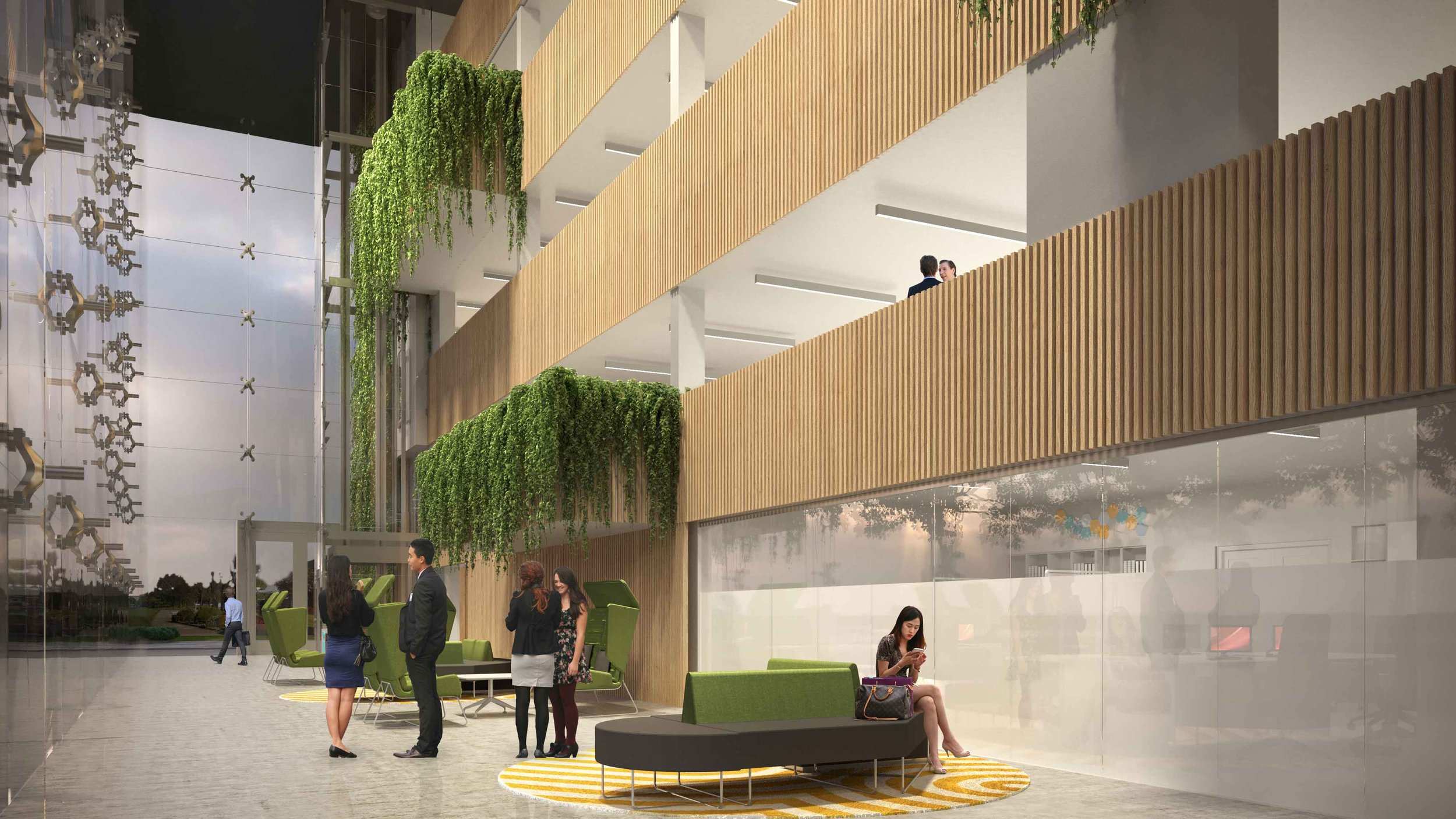
There is a particular frustration that comes with working on brilliant projects we simply cannot share. Non disclosure agreements are part and parcel of commercial architecture especially in sensitive sectors like energy infrastructure corporate headquarters strategic developments defense installations pharmaceuticals and high tech facilities where intellectual property security concerns or competitive advantages are at stake. These legal contracts also known as confidentiality agreements define what information must be protected such as proprietary designs, material innovations or even project locations and outline restrictions on its use or dissemination to prevent leaks to competitors, the public or media. NDAs create a safe space for collaboration fostering trust between architects, clients and contractors while enabling open sharing of ideas without fear of intellectual property theft or disputes over ownership. However they can extend far beyond the project's completion, sometimes lasting years or indefinitely which amplifies the secrecy.
For architecture firms this creates a genuine challenge. How do we demonstrate capability when some of our most complex and innovative work must remain confidential? This invisibility can be particularly difficult for teams who pour years into groundbreaking solutions. It also impacts marketing without tangible examples attracting new clients in competitive fields becomes an uphill battle as potential partners want proof of expertise in handling similar high stakes projects.
The answer lies in creative workarounds that respect client confidentiality whilst still showcasing our expertise. We have learned to share the process rather than the final product. Abstract sketches that show design thinking without revealing specific details work remarkably well. Technical discussions about challenges we have overcome like thermal bridging solutions, planning constraint negotiations or material innovation demonstrate competence without breaching confidentiality. For instance we might publish a case study on overcoming a cladding solution which focuses on the methodology and outcomes rather than the client or site.
Sometimes we discuss sector expertise in general terms explaining our approach to energy centre design, commercial developments, secure facilities or waste transfer facilities without naming projects.
It is not ideal but it is the nature of working on projects that matter. The best work often happens behind closed doors and we have made peace with that reality whilst finding ways to let our knowledge shine through.