Building Safety Levy 2026: What Residential Developers Need to Know
With the Building Safety Levy due to take effect in October 2026, residential developers must reassess viability, programme and compliance strategies now rather than later.
Building Safety Levy 2026: What Residential Developers Need to Know
The UK Government has confirmed that the Building Safety Levy will come into force in October 2026. The levy is intended to raise funds for the remediation of unsafe buildings, particularly in relation to historic fire safety defects.
For residential developers, this represents a material shift in project economics and risk management. As architects experienced in cladding remediation and building safety compliance, we are already working with clients to prepare for its impact.
What Is the Building Safety Levy?
The Building Safety Levy is a charge applied to certain new residential developments in England. Its purpose is to contribute towards the cost of remediating life critical fire safety defects, including unsafe cladding systems, across existing housing stock.
While the detailed rates vary depending on location and scale, the principle is clear. Developers will need to factor additional cost into appraisals, alongside the Community Infrastructure Levy and Section 106 obligations where applicable.
For schemes in viability sensitive markets, this could influence land value negotiations, density assumptions and funding structures.
Implications for Developers
From our discussions with clients, three core implications are emerging:
1. Viability Reassessment
Schemes targeting 2026 and beyond should be re modelled now. Even modest per unit levies can significantly affect margin on higher density developments. Early stage financial testing is essential to avoid late stage redesign or stalled planning submissions.
2. Administrative Complexity
The levy introduces additional administrative processes. Developers will need to demonstrate compliance, manage payment triggers and ensure coordination with planning and building control requirements. Misalignment between these processes could delay start on site.
3. Increased Scrutiny on Building Safety
Alongside the levy, there is sustained regulatory focus on fire performance, materials and construction quality. For high rise and higher risk buildings in particular, Gateway approvals and the role of the Building Safety Regulator add further layers of oversight.
The Connection to Cladding Remediation
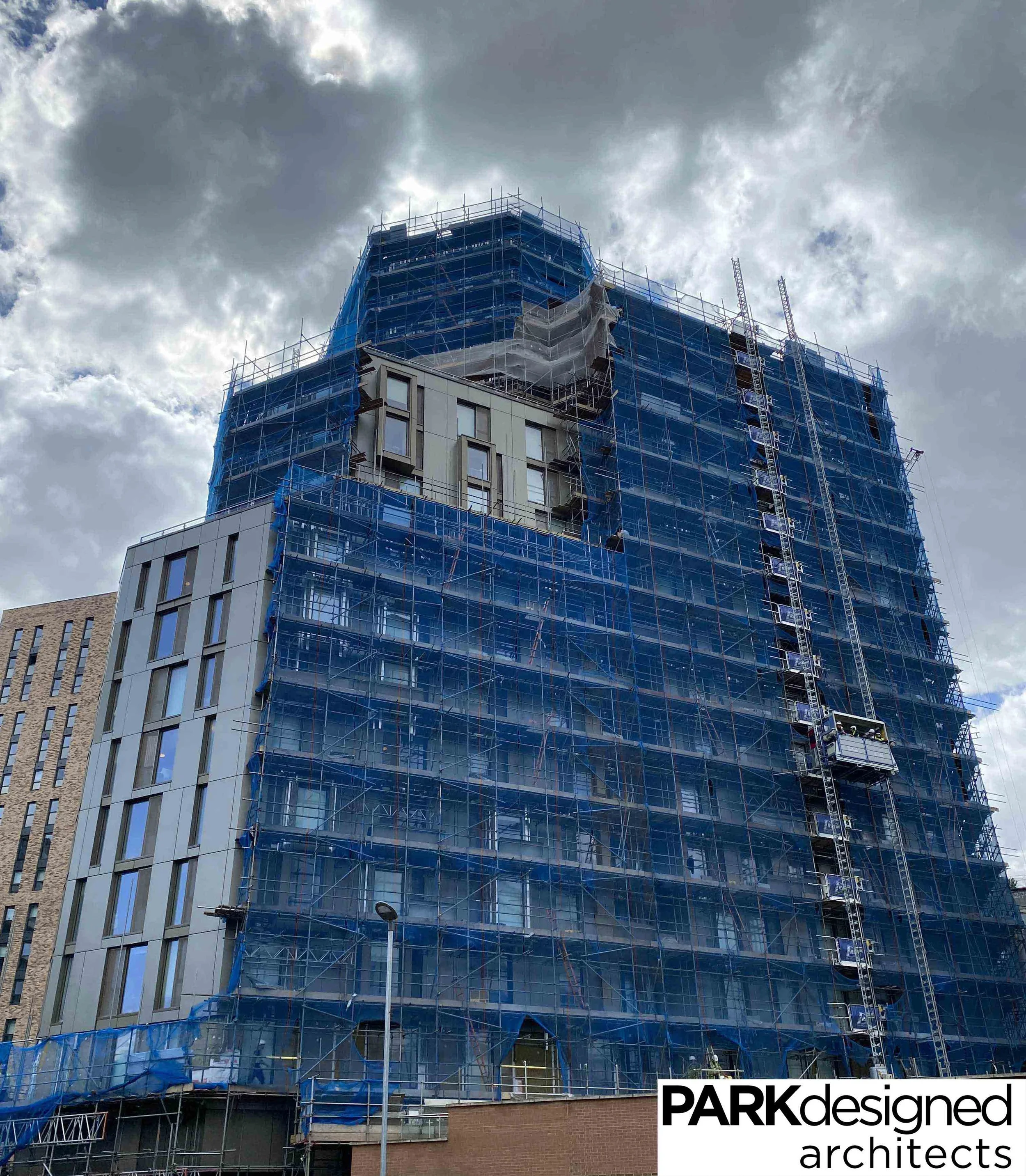
The levy exists to fund remediation of defective buildings, most notably those affected by unsafe cladding systems. This reinforces the importance of appointing experienced cladding remediation architects at the earliest opportunity.
Our team works closely with specialist fire engineers and façade consultants to:
• Assess existing cladding systems and identify compliance risks
• Develop remediation strategies aligned with current guidance
• Coordinate fire strategy updates and technical design packages
• Manage planning and building control submissions
In many cases, remediation is not simply a matter of material replacement. It requires holistic review of cavity barriers, insulation, fixings, detailing and structural interfaces. Poorly coordinated solutions can lead to cost escalation and programme delay.
Brownfield Opportunities and Levy Reductions
One critical consideration for developers is site selection. The Government has indicated that brownfield developments may benefit from a 50 percent discount on the levy. For clients with flexible land strategies, this could materially improve viability.
As architects advising on both planning strategy and technical delivery, we are helping clients evaluate:
• Whether brownfield sites offer financial advantage under the new regime
• How site constraints affect remediation or fire strategy requirements
• The long term asset value implications of different development approaches
In some cases, repositioning a scheme onto previously developed land may offset levy exposure while also aligning with local planning policy priorities.
Planning for 2026 and Beyond
If you are targeting a 2026 start on site, now is the time to undertake a coordinated review covering:
• Financial modelling incorporating the Building Safety Levy
• Early fire engineering input
• Façade and cladding risk assessment
• Programme alignment with regulatory gateways
• Funding and lender compliance requirements
Waiting until planning consent is secured may be too late to make meaningful adjustments without significant redesign.
Why Early Engagement with Cladding Remediation Architects Matters
The regulatory landscape around building safety continues to evolve. The combination of the Building Safety Levy, enhanced fire safety requirements and heightened scrutiny from regulators means that residential development now demands integrated technical leadership.
As cladding remediation architects, we support developers in reducing risk, protecting programme and ensuring that projects remain commercially viable while meeting the highest safety standards.
If you are planning a residential scheme for 2026 or reviewing an existing asset with potential cladding issues, a proactive strategy now will place you in a far stronger position when the levy comes into effect.