Bridging Engineering and Architecture in Modern Energy Centres
Energy centres were once purely functional technical boxes hidden from view. Today, as cities pursue net-zero targets, they are becoming visible, critical pieces of urban infrastructure that demand equal attention to architectural quality and engineering performance.
The Evolution of Energy Infrastructure
The shift from centralised fossil-fuel systems to decentralised renewables has transformed energy centres. Modern facilities integrate CHP, heat pumps, thermal storage, and future-ready provisions for hydrogen and other technologies. Architects must now treat energy systems as core design drivers, collaborating with engineers from the outset rather than adding systems as late-stage elements.
Technical Complexity Meets Urban Context
These projects combine sophisticated mechanical and electrical requirements with urban design constraints. They must provide space for large plant, storage, ventilation, maintenance access, and future expansion while responding to site context, planning rules, and community expectations.At PARKdesigned we prioritise early and continuous collaboration between architects and engineers. This integrated approach ensures spatial, structural, and energy decisions reinforce each other, delivering efficient operations without sacrificing architectural or urban quality.
Designing for Performance and Place
Energy centres are increasingly prominent rather than concealed. Good design turns visibility into an opportunity to create positive contributions to the public realm.The process starts with detailed load analysis and future projections to shape massing, internal zoning, and service routes. Materiality is critical: envelopes must deliver acoustic control, thermal efficiency, durability, and fire safety while maintaining coherent architectural expression. Ventilation louvres, access panels, and other functional elements are carefully integrated rather than added separately.
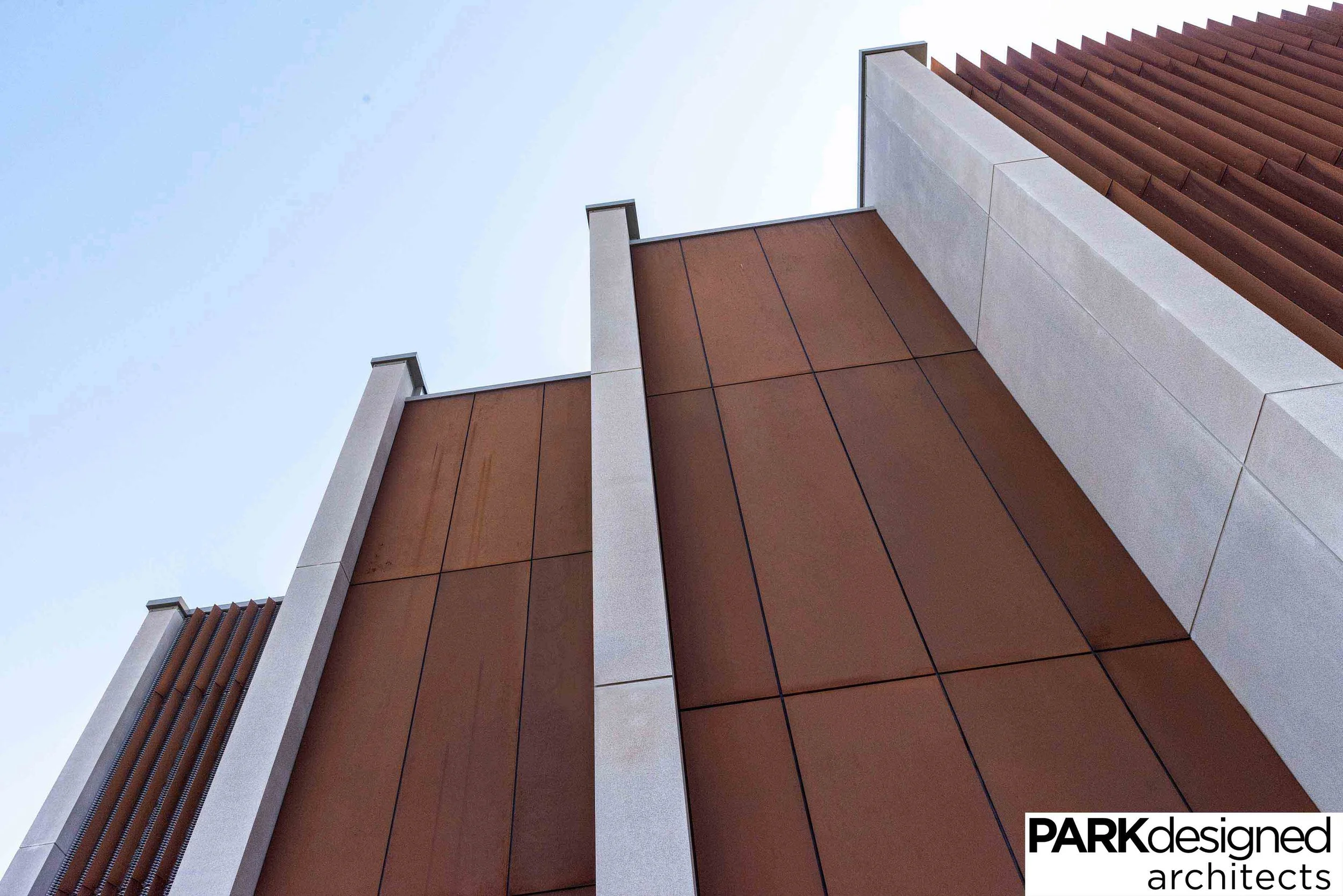
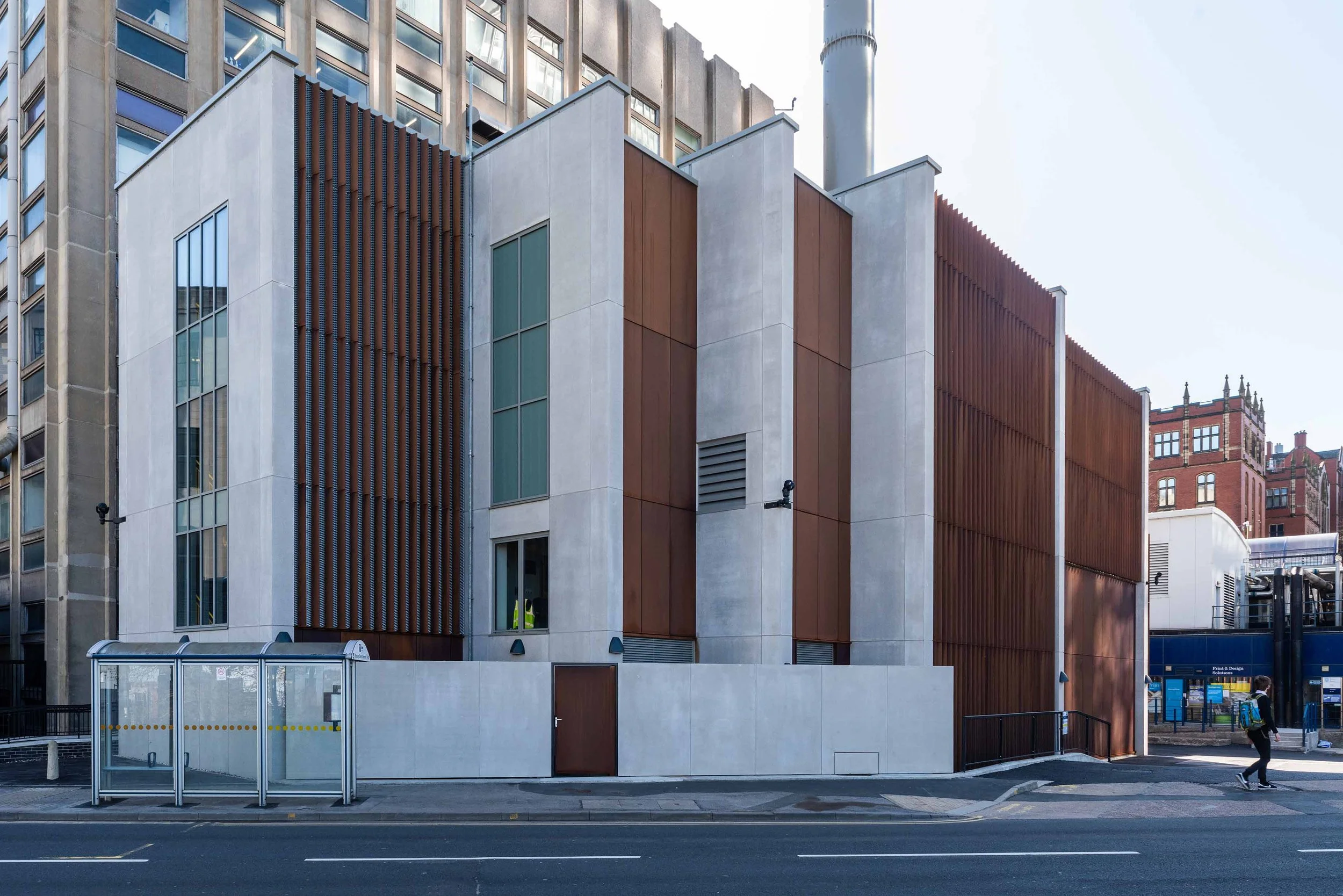
The Transformer University of Sheffield
This high-visibility campus landmark accommodates substantial CHP, thermal storage, and distribution infrastructure. The form is driven by equipment layout and maintenance needs, while the envelope provides acoustic performance and a civic architectural identity suited to its prominent university setting.
Hebburn Energy Centre
Serving a phased mixed-use development and district heating network, the design supports current loads plus significant future expansion. The architecture responds to its residential context through compatible materials and detailing while clearly expressing its distinct technical function.
Future-Ready and Integrated Design
Rapidly evolving technology and regulation demand spatial, structural, and service flexibility for future upgrades (hydrogen readiness, enhanced storage, renewables integration). Successful projects reject linear design processes in favour of true collaboration from site analysis through to commissioning, with technical systems actively shaping architectural form.
Energy centres are no longer peripheral utilities. They are essential infrastructure that rewards careful architectural consideration. Projects like the Transformer and Hebburn show how early architect-engineer collaboration can produce buildings that are technically excellent, contextually sensitive, and civic in character, helping drive the transition to a net-zero built environment.